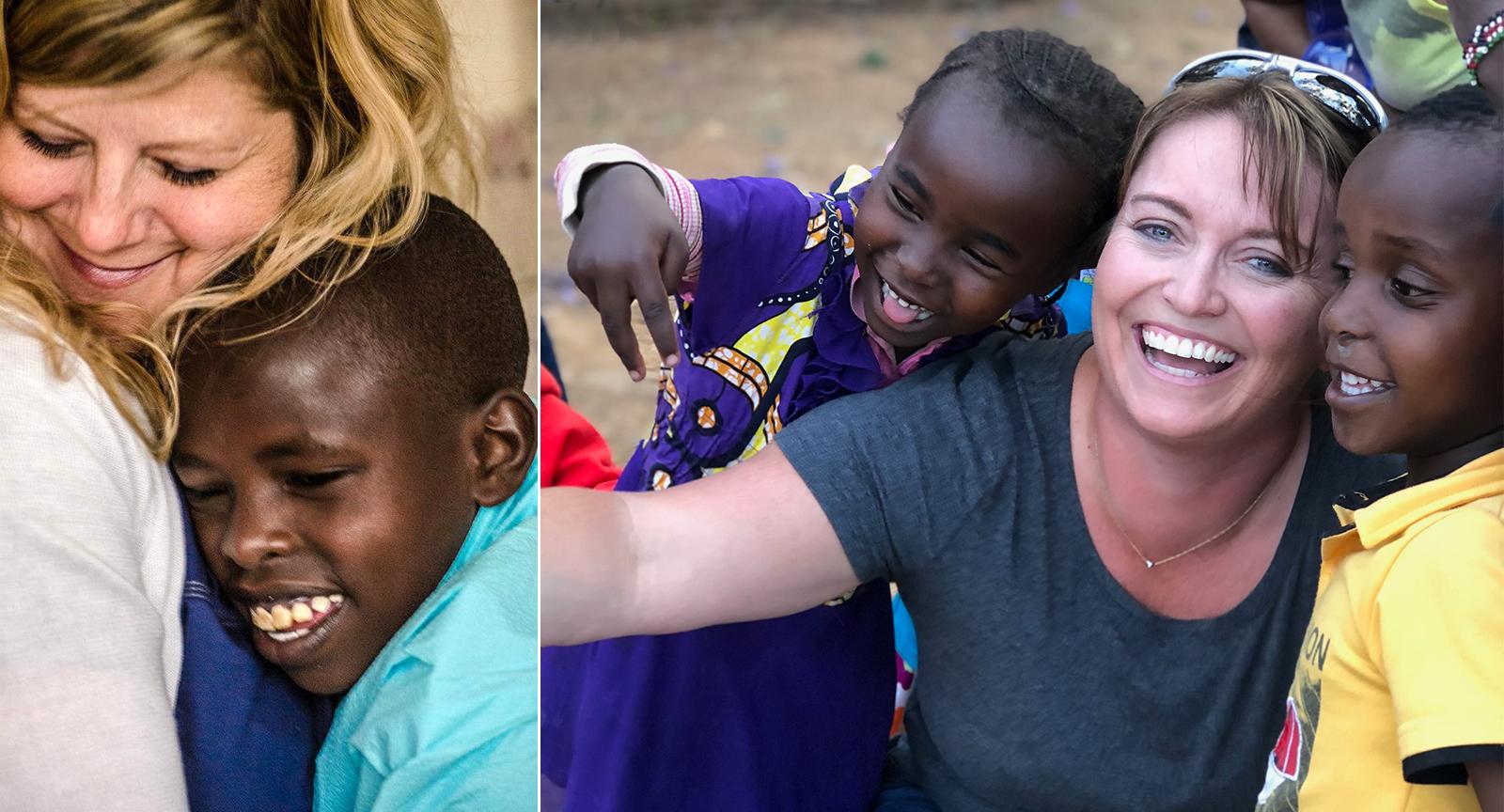
Long before Africa became part of her professional journey, Beth Hadi felt a strong connection to the continent.
“Even when I was little, I was drawn to Africa,” said Hadi, DNP, MSN, MHA, APRN, CPNP-AC. “I always thought about Ethiopia, because it was on the news. But then I had the opportunity to go to Kenya – and I’ve never stopped going.”
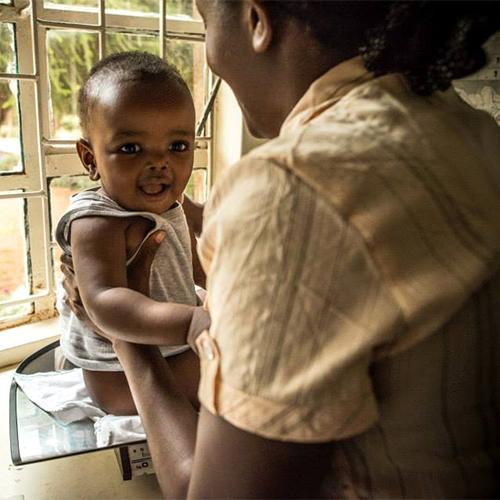
Hadi first went to Kenya in 2011 as part of an organization called the Ubuntu Life Foundation (ULF) – which translates to “I am because we are” – working on training and equipping nurses in the area. ULF is a Kenyan nonprofit focused on improving child health and wellness by strengthening communities with integrated clinical care, maternal-newborn health initiatives and providing training programs to support and sustain local healthcare providers.
Hadi said the dedication of the ULF team, led by Lydia Mbugua, is one of the reasons why she consistently returns to work in Kenya.
In May, Hadi wrapped up her DNP project entitled “Impact of Helping Babies Breathe Training on Neonatal Resuscitation Skill Retention in Rural Kenya,” and the impact the project had was profound.
Hadi credited School of Nursing professors Dr. Stephanie Key, Dr. Alex García, Dr. Julie Zuñiga and Dr. Jennie Joyner for her success with the project.
“This project is grounded in this same philosophy – Ubuntu — and reflects the power of partnership and shared purpose in improving outcomes for newborns in resource-limited settings,” Hadi said.
Hadi worked on the project with fellow DNP candidate Toshia McKeon, who has focused on birth asphyxia, the leading cause of neonatal mortality in Kenya. She said it’s preventable and treatable with timely intervention during the first minute of life, also known as the “Golden Minute.”
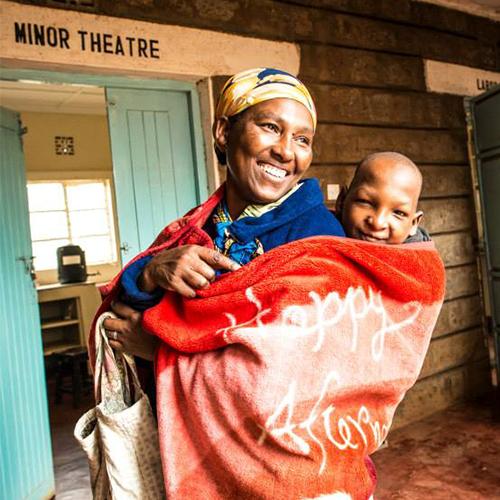
According to the World Health Organization, the neonatal mortality rate in the United States is 3.2 infant deaths per 1,000 live births. In In Naivasha, Nakuru County, Kenya, the neonatal mortality rate is 41.9 deaths per 1,000 live births. These figures highlight the significant challenges facing newborn care in the country.
Hadi said she worked with the World Health Organization, the American Academy of Pediatrics and Ubuntu Life Foundation to implement the “Helping Babies Breathe” program in Kenya.
“We trained eight registered nurses from the hospitals and outlying clinics, and we were just floored by how eager they were to learn, their enthusiasm and their skill set,” Hadi said.
Hadi said most of the nurses delivered at least 10 babies a month, if not more.
“It’s amazing that they’re delivering all these babies, but they didn’t have the equipment,” she said. “The beauty of Helping Babies Breathe is that it equips already incredible nurses with the knowledge, skills and tools they need to feel even more confident and prepared to save a newborn’s life. It’s an honor to support these amazing nurses as they continue the important work they do every day.”
The team started with one nurse, who learned how to train eight more nurses in the technique.
“They learned the entire class in one day and they were so phenomenal,” she said.
Hadi’s project centered on retention of knowledge after three months and six months.
These nurses then trained 88 of their peers within six months. At three months, 94 babies were successfully delivered, with eight requiring PPV; at six months, another 117 babies were successfully delivered, with 11 requiring PPV.
“We learned that when we equip one nurse with knowledge, they empower many,” Hadi said.
Photos by Chelsea Dee